What to Do After a House Fire in Buena Park: The First 24 Hours
By Buena Park Fire & Water Damage Pros 6 min read
Quick answer
Stay out until the Orange County Fire Authority says the house is safe to enter. Then call your insurer to open a claim, get broken windows, doors and roof openings boarded up or tarped, and photograph every room before anything is moved or thrown out. In Buena Park, a live person answers (831) 303-1192 at any hour.
Hour 0 to 1: let the fire crew decide when you go back in
In Buena Park the Orange County Fire Authority (OCFA) handles the fire, and the engine company on scene decides when the house is safe. A fire that looks small from the driveway can still have hot spots in the attic, a weakened ceiling or a gas line that has not been checked. Until you hear a clear yes, stay on the sidewalk.
Before the crew leaves, ask these questions. The answers save you calls later.
- Where did it start, and what do they think caused it? Your adjuster will ask the same thing.
- Are the gas, power and water off? If the utility shut them off, only the utility or a licensed tradesperson turns them back on.
- Which rooms are unsafe to enter? Sagging drywall and burned floor framing are the usual reasons.
- How do you get the incident report? The station crew or OCFA's records office can tell you how to request it for a Buena Park address.
Hours 1 to 3: open the claim and secure the openings
Call your insurance company or agent and report the fire. Write down the claim number, the name of whoever you spoke with and the time. Ask two things on that first call: what your policy pays for temporary housing, and whether they want to send someone tonight or tomorrow.
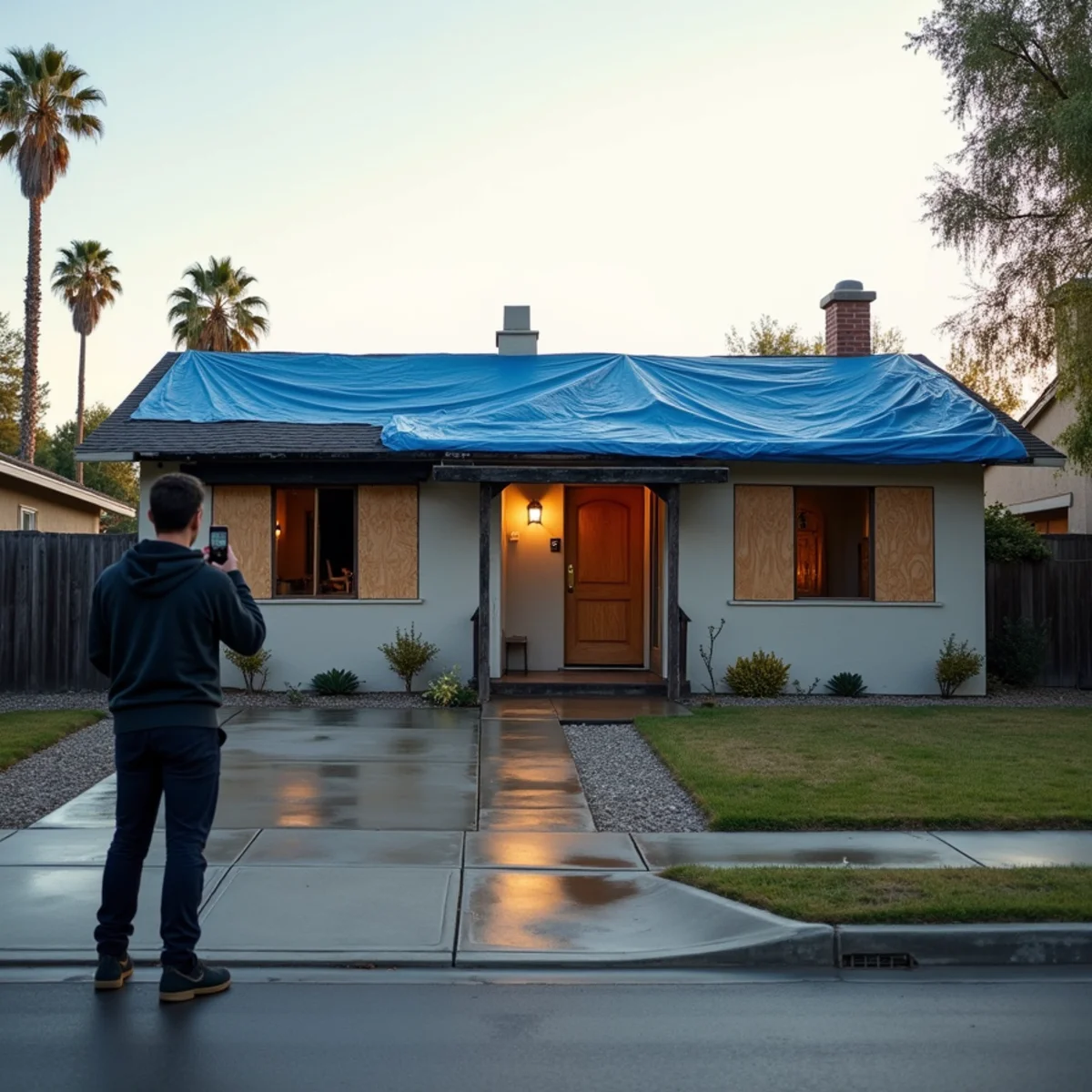
Do not wait for the adjuster before protecting the house. Homeowners policies expect you to take reasonable steps to prevent further damage, and an open window or a ventilation hole cut in the roof invites rain, theft and more soot. Emergency board-up and roof tarping covers broken glass, forced doors and roof cuts the same night, and the invoice becomes part of the claim.
Why the roof matters in older ranch homes
The median Buena Park home was built around 1965. Many are single-story, wood-frame ranch houses with one open attic over every room. When OCFA cuts a vent hole to let heat out, that hole sits directly above the whole house, so a tarp on a ventilation cut is not optional, even in a dry month.
Hours 3 to 8: document the loss before anything moves
Once the crew allows it, walk the house with your phone. Film first, then take still photos. A slow video of each room, narrated with what you see, is the single most useful record you can give an adjuster.
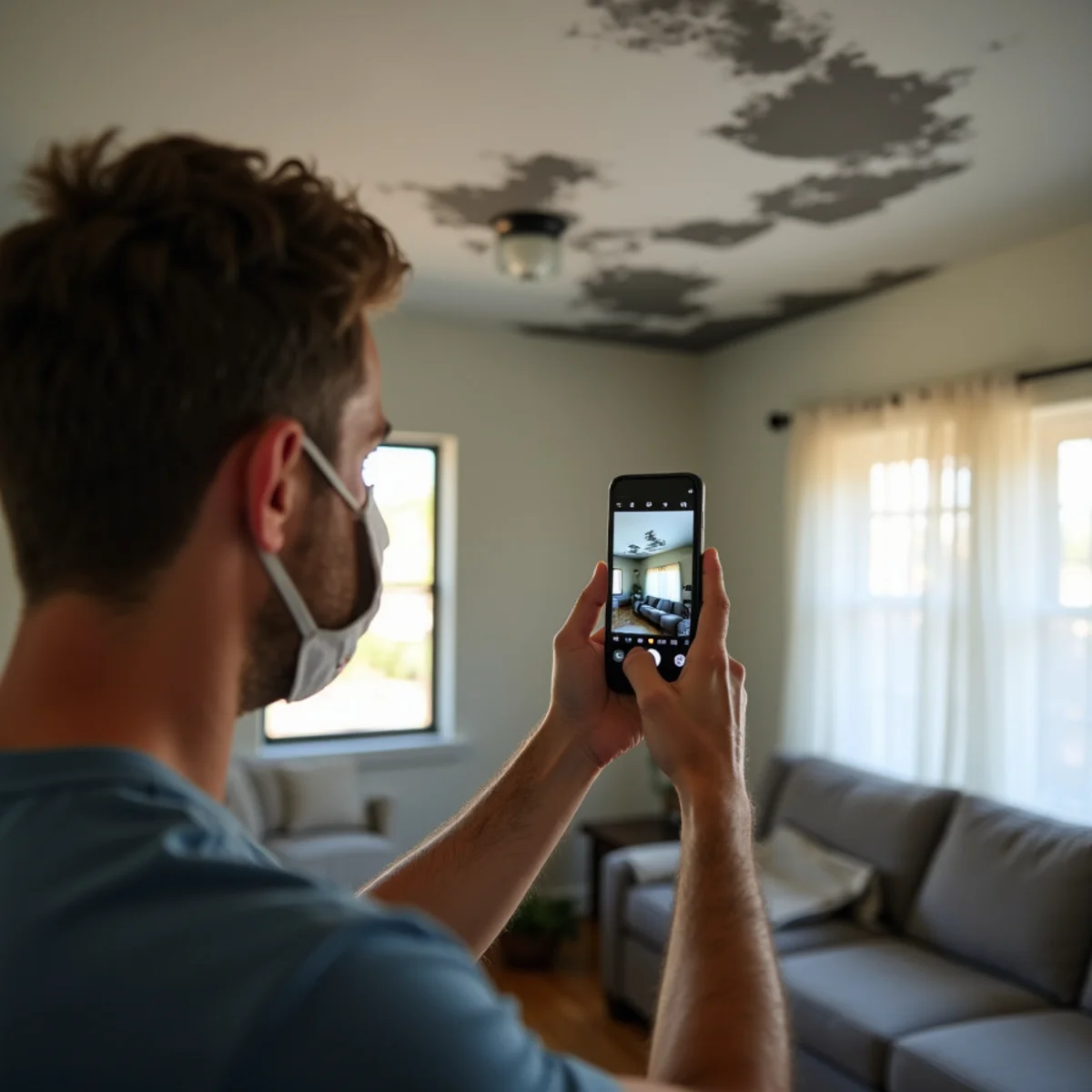
- Shoot the outside of the house from all four sides, including the roof if you can see it from the street.
- Go room by room. Open closets, cabinets and drawers and film what is inside.
- Get close-ups of soot on ceilings, walls, vents and window glass, and of water on floors and carpet.
- Photograph serial numbers on TVs, computers and appliances.
- Do not throw anything out yet, even items that are obviously ruined. Your insurer may want to see them.
Grab the essentials while you are inside: medication, glasses, IDs, phone chargers, work laptops and important papers. Leave clothing and bedding for now. Most of it can be cleaned professionally, and stuffing smoky fabric into a car spreads the smell.
Hours 8 to 12: find a place to sleep and track every dollar
A house with heavy smoke, no power or open walls is not a place to spend the night. Most California homeowners (HO-3) and renters (HO-4) policies include additional living expenses, sometimes called loss of use or Coverage D. Terms vary, so read your own policy or ask the adjuster what it allows.
- Keep receipts for the hotel, meals above your normal grocery bill, laundry, gas for a longer commute and pet boarding.
- Ask whether the insurer can pay the hotel directly or advance part of the money.
- If you rent, tell your landlord in writing. The building belongs to the owner's policy; your belongings and your hotel belong to yours.
Displacement is common here. An April 2023 Buena Park apartment-complex fire displaced residents, and in 2026 OCFA reported an overnight house fire that displaced nine people.
Hours 12 to 24: stop the smoke and water from doing more damage
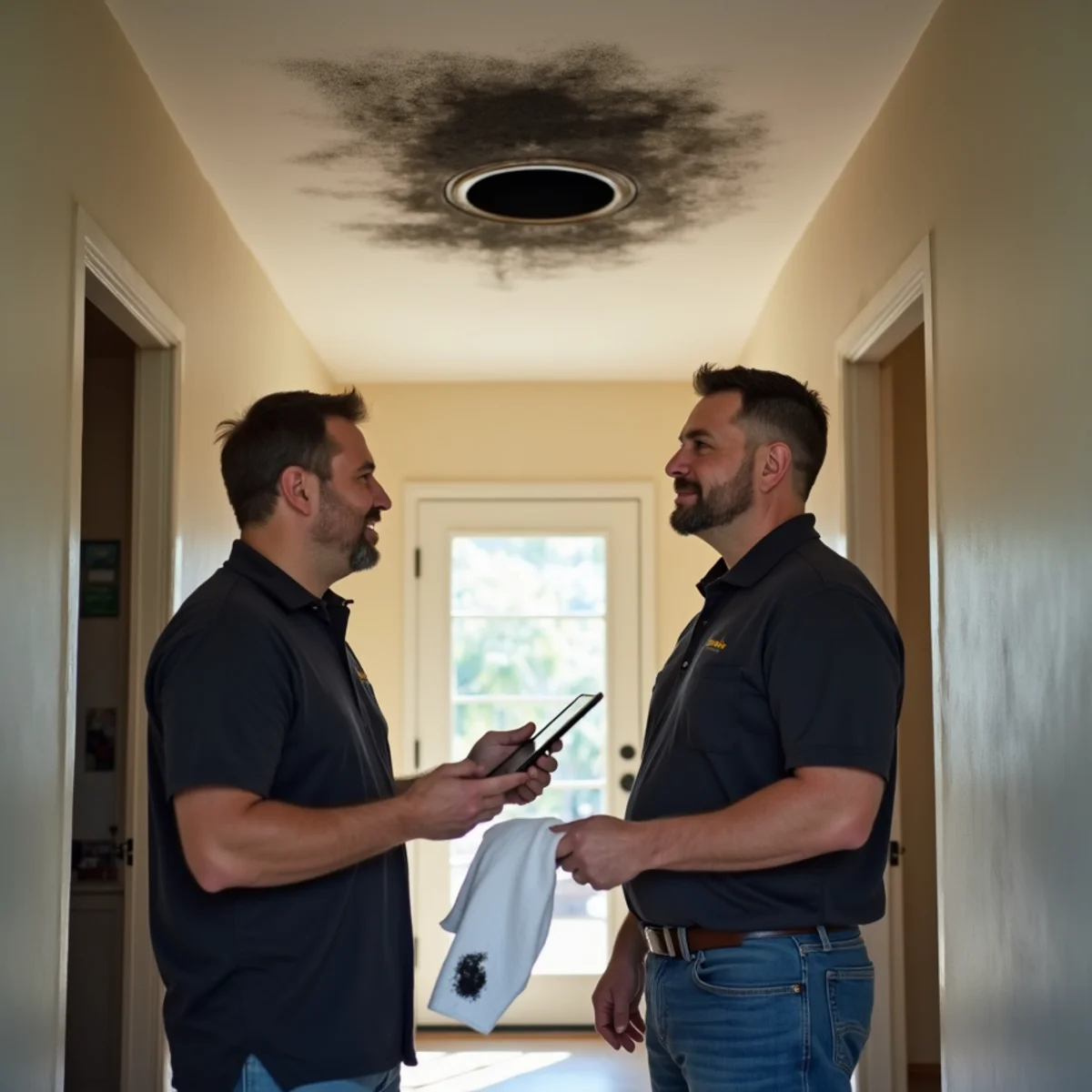
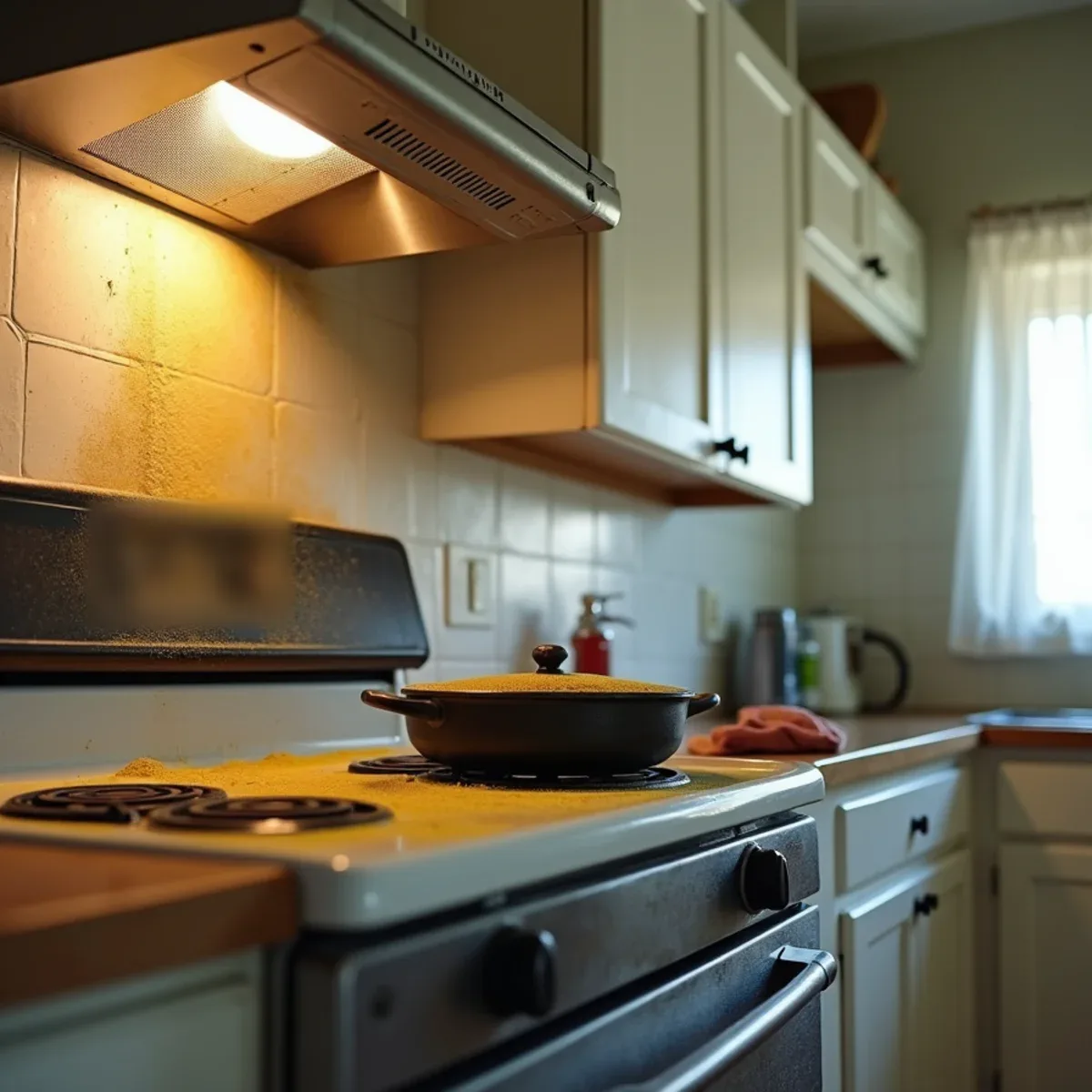
The fire is out, but two problems keep working. Firefighting water soaks drywall, insulation and flooring, and acidic soot keeps settling into paint, metal and plastic. The longer it sits, the harder cleaning becomes, and residue can start etching glass and yellowing plastics within days.
| Do in the first day | Leave for the restoration crew |
|---|---|
| Keep the furnace and air conditioning off | Cleaning or replacing ducts and the air handler |
| Open windows only in rooms with light smoke | Wiping soot off walls or ceilings |
| Move undamaged valuables to a dry, clean room | Washing smoky clothes or upholstery |
| Empty the fridge if the power has been off | Pulling up wet carpet or cutting drywall |
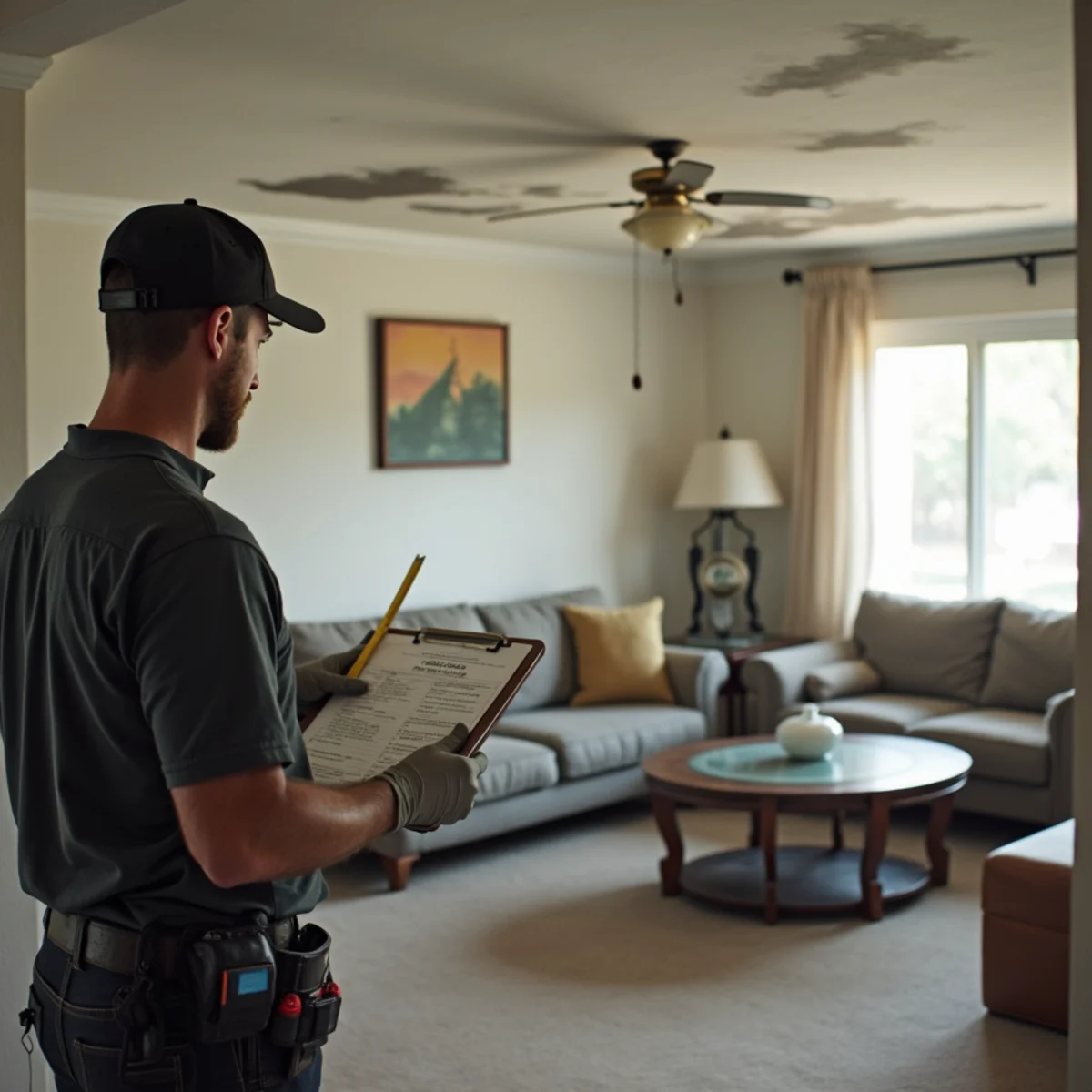
Wiping soot with a wet rag smears it into the paint, which is why crews start with dry chemical sponges and HEPA vacuums before any wet cleaning. A proper smoke damage cleanup also checks the attic and ducts. In these ranch homes, a fire in the kitchen or attached garage often pushes smoke through the attic into bedrooms that never saw a flame.
Before anyone starts demolition
Homes built before 1980 can have asbestos in drywall joint compound, popcorn ceilings and sheet vinyl. South Coast AQMD Rule 1403 requires an asbestos survey before renovation or demolition, with only a narrow exception for single-family homes disturbing under 100 square feet. Emergency drying can start right away, but tear-out of suspect materials waits for that survey.
From the job site: what restoration crews see in the first 24 hours
The same handful of decisions in the first day separate a fire that stays a one-room job from one that spreads into a whole-house claim. These are the patterns crews run into most often around Buena Park:
- The air conditioning ran all night to clear the smell. It pulled soot through the return and coated every duct and bedroom. One night of that can turn a kitchen cleanup into duct cleaning and attic work.
- Soot was wiped with a wet rag. The smears set into flat paint and grout, and walls that would have cleaned with a dry sponge now need sealing and paint.
- Burned things went to the curb before anyone photographed them. Without the item or a picture of it, a contents claim turns into an argument.
- The family moved back into a smoky house too soon, often with a child or a grandparent who has asthma. Smoke residue keeps irritating lungs for days.
- Hose water sat while everyone waited for the adjuster. By day three, soaked insulation and drywall were past drying and had to come out.
The calls that go smoothly have three things ready: the OCFA incident number, the insurance claim number and a full set of dated photos. Anyone who breathed heavy smoke or has burns, headaches or trouble breathing should also be checked by a doctor, even if the symptoms seem minor.
Getting help in Buena Park and nearby cities tonight
Call (831) 303-1192 and a person answers, day or night. Buena Park Fire & Water Damage Pros connects you with the nearest available independent fire and smoke restoration contractor. Every fire restoration crew we send is licensed where California requires it, and insured.
Before work starts you get the scope and price in writing, photo documentation for your claim, and a crew that will meet the adjuster on site. The same plan applies next door: La Palma is 5 to 10 minutes away and also served by OCFA, so our page on fire and smoke damage restoration in La Palma covers the same agency and similar 1960s tract homes. When you are ready for the insurance side, read our guide to smoke damage insurance claims in California.
The bottom line on the first 24 hours
Safety first, then the claim, the openings and the photos. Find a place to sleep and keep every receipt. Within the day, start removing firefighting water and keep the HVAC off so smoke does not spread. If you have nowhere to stay tonight, the American Red Cross helps families displaced by home fires with emergency lodging, food and other immediate needs at 1-800-RED-CROSS.
For everything that has to happen at the house, call (831) 303-1192. A person answers 24/7 and can arrange emergency board-up and roof tarping tonight, then smoke damage cleanup once the house is secure, with the scope and price in writing first.
Related questions
Can I stay in my house after a small fire?
Sometimes, if the fire stayed in one spot, the power and gas are safely on, and the smoke was light. Ask the OCFA crew before they leave. If soot covers several rooms, the smell is strong, or the utilities are off, stay somewhere else until the house is cleaned, especially with children or anyone who has asthma.
How do I get a fire report from OCFA?
Ask the station crew before they leave the scene, then follow up with OCFA's records office, which can tell you how to request the incident report for a Buena Park address. Your insurer will usually want a copy, so request it early.
Should I throw out food after a house fire?
Discard open food, anything stored near the fire, and anything in containers that are not airtight, since smoke and heat get into it. Refrigerated food is unsafe if the power was off for hours. Photograph it first or list it, because spoiled food is often part of a contents claim.